


In this article
A tiny microchip hidden inside a label can change the course of your business in three seconds. Hidden in plain sight, this technological component keeps a secret capable of eliminating warehouse errors forever. The key to this silent revolution lies behind acronyms that are transforming digital commerce.
RFID what it is
The technology RFID stands for radio frequency identification. It is a system used to identify and locate objects through radio waves. It does not require direct line of sight to read data.
The system works with three basic elements. First is the RFID tag, which is placed on the product and contains a chip with information. Second is the RFID reader, which emits waves and receives signals from the tag. Finally, the logistical software processes this data in real time.
There are two main types of tags. Passive tags do not have their own battery and are activated by the reader's energy. Active tags carry a small internal battery and transmit information over longer distances.
Differences with traditional barcodes
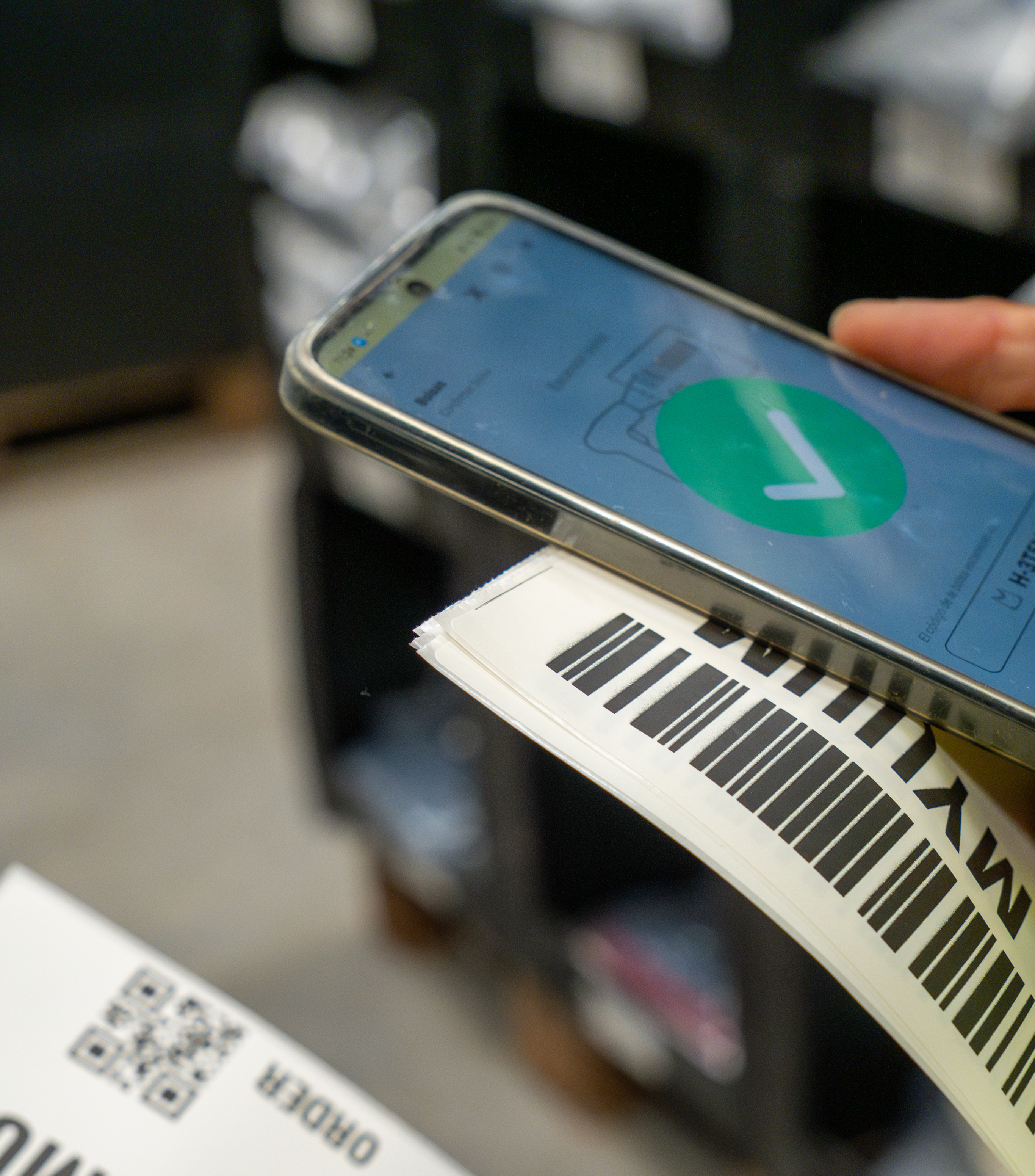
The classic barcode requires an operator to aim directly at the line with a scanner. RFID allows reading hundreds of products at once from several meters away. You can register the contents of a closed box without opening it.
Each RFID tag has a globally unique code. Barcodes only identify the product type, not the exact unit. Radio frequency reduces labor time and eliminates inventory errors.
RFID applications in the warehouse
This technology optimizes every corner of the supply chain. Precision improves from goods reception to delivery.
Automatic inventory control
The system updates available stock without the need for manual counts. It prevents stockouts immediately. You know what you have and where each unit is located.
Error-free picking and packing
Operators locate items quickly using receiver devices. The margin for human error is reduced to zero during order preparation. Boxes always leave the warehouse with the correct products.
Real-time traceability
You can track the exact path of a package in every logistical phase. It facilitates the management of reverse logistics if a customer processes a return. The information syncs with your platform instantly.
Benefits for your ecommerce
The use of radio frequency accelerates delivery times. Customers receive their purchases quickly and without unpleasant surprises. Efficient inventory control reduces monthly storage costs.
Your business becomes scalable and competitive. You can handle a high volume of sales during special campaigns without overwhelming your team. Customer satisfaction increases and your brand's reputation is strengthened.